
Blog
Simple lock maintenance that extends the life of your locks
Every single day, you rely on your front door lock to keep your family and your belongings safe. Whether you live in a historic home in Yonkers, a modern apartment in White Plains, or run a busy shop in New Rochelle, your locks work hard against the elements and constant daily use. Yet, most people never think about their door hardware until the key snaps off in the cylinder or the deadbolt refuses to turn. You do not have to wait for an emergency lockout to take action. By committing just ten minutes a year to simple lock maintenance that extends the life of your locks, you can avoid costly repairs, keep your home secure, and ensure your keys turn smoothly every time. In this guide, we will share the exact steps our team at Alpha Lock and Safe uses to keep residential and commercial locks in Westchester County working perfectly through freezing winters and humid summers.
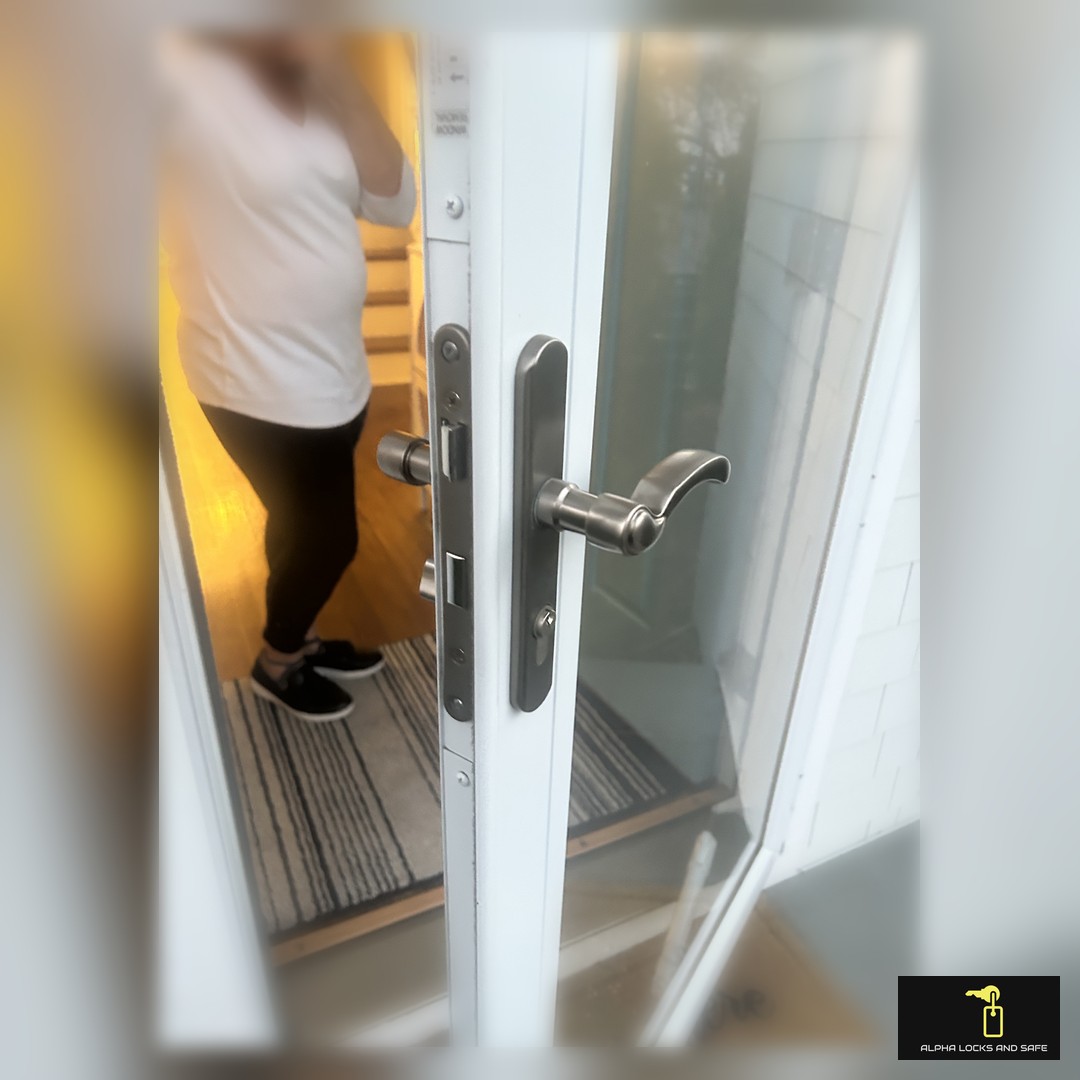
Taking care of your locks is easier than you think and requires no special mechanical skills. Here is how you can protect your home security investment with a few basic household habits.
How to Clean and Lubricate Your Door Locks Properly
Many homeowners make the mistake of ignoring their locks until they start sticking. When a lock does begin to stick, the natural reaction is to grab whatever spray lubricant is sitting in the garage. Unfortunately, using the wrong lubricant can actually ruin your lock over time. Standard WD-40, for example, is a solvent rather than a long-term lubricant. It will make the lock turn smoothly for a few days, but it leaves behind a sticky residue. This residue acts like a magnet for dust, dirt, and tiny metal shavings. Over months of use, this mixture turns into a thick grime that jams the internal pins and springs. To do this right, you should use a dry lubricant like pressurized graphite or a specialized Teflon-based spray. Before you apply any lubricant, take a moment to clean the lock cylinder. Use a can of compressed air—the same kind you use to clean a computer keyboard—to blow out any loose dust and debris from the keyway. Insert the nozzle directly into the keyhole and give it a few quick bursts. You might be surprised by the gray dust that flies out. Once the keyway is clear, apply your dry lubricant. If you are using dry graphite, puff a tiny amount directly into the keyhole. If you are using a liquid Teflon spray, spray a very small amount into the cylinder. After applying the lubricant, insert your key and turn it back and forth several times. This action spreads the lubricant across all the internal pins and springs. Pull the key out, wipe off any excess lubricant with a clean rag, and repeat the process. Doing this simple task once in the late autumn before the Westchester winter freeze sets in, and once in the spring, will keep your locks operating smoothly and prevent moisture from freezing inside the cylinder. Additionally, do not forget the latch bolt—the spring-loaded metal piece that sticks out from the edge of the door. Spray a small amount of lubricant on the latch bolt and press it in with your finger a few times to ensure the internal spring mechanism is moving freely. If you live near the water in New Rochelle or Pelham, salt air can accelerate corrosion, making this bi-annual cleaning even more critical for your exterior doors.
- Never use heavy oils, WD-40, or cooking oils inside your lock cylinder.
- Use compressed air to blow out dust before applying any new lubricant.
- Lubricate your locks twice a year, especially before the freezing winter months.
Checking Door Alignment and Tightening Loose Screws
A lock is only as good as the door it is installed on. Over time, doors sag. This is especially true in older Westchester County homes where foundations settle and heavy wood doors expand and contract with the changing seasons. When a door sags, the latch bolt and the deadbolt no longer line up perfectly with the holes in the strike plate on the door frame. When this happens, you have to pull, push, or lift the door handle just to get the key to turn or the deadbolt to throw. Forcing a lock to turn when it is out of alignment puts massive pressure on the internal brass pins and the key itself. Over time, this constant strain bends the key or wears down the internal locking mechanism, eventually causing a total lock failure. To prevent this, you should regularly check your door's alignment. Open your door and look at the hinges. Are the screws tight? Loose hinge screws are the number one cause of sagging doors. Use a screwdriver to tighten every screw on the hinges. If a screw spins without tightening, the wood hole is stripped. You can easily fix this by removing the screw, tapping a wooden toothpick dipped in wood glue into the hole, cutting it flush, and then re-driving the screw. Next, examine the strike plate on the door frame. Look for signs of rubbing or scraping. If the deadbolt is scraping against the top or bottom of the strike plate, you may need to adjust the plate. Sometimes, simply tightening the strike plate screws will pull it back into the correct position. If the door frame has settled significantly, you might need to unscrew the strike plate and use a chisel to widen the wooden mortise by a fraction of an inch so the plate can sit slightly lower or higher. By keeping the door and the lock perfectly aligned, the latch bolt should click smoothly into the strike plate without you having to exert any force on the door. If you find yourself leaning your shoulder against the door just to lock it at night, your alignment is off, and you are actively wearing down your lock's internal parts every day.
If you have to push, pull, or lift your door to get the deadbolt to turn, your lock is under constant stress and will eventually fail.
The Danger of Heavy Keychains
It is common to carry a ring loaded with car keys, office keys, gym membership tags, and decorative keychains. However, hanging a heavy weight from your key while it is inserted into your home or vehicle lock is a recipe for trouble. The weight of a heavy keychain pulls downward on the key blade. This constant downward leverage wears out the delicate brass pins inside the cylinder and can actually warp the keyway over time. Eventually, your regular key will stop working because the internal pins have been worn down unevenly. Keep your house key on a lightweight ring, or use a quick-release keychain to separate your ignition or front door key from the rest of your heavy keys when in use.
How to Handle Key Wear and Avoid Forcing Stuck Locks
We often blame the lock when a door is hard to open, but the issue is frequently the key itself. Keys are made of relatively soft metals like brass or nickel-silver so they do not wear out the harder steel components inside the lock. Because they are soft, keys wear down with every single turn. The sharp ridges and valleys on your key gradually become rounded and smooth. When these cuts lose their original depth, they can no longer lift the internal pins to the exact height required to align the shear line and unlock the cylinder. If you notice that you have to jiggle, wiggle, or pull your key slightly outward to get it to turn, your key is worn out. Many people make the mistake of taking this worn key to a self-service kiosk or hardware store to get a copy made. However, a key duplicator simply copies the exact shape of the worn-out key, meaning the new key will perform just as poorly, or worse. Instead, you should always keep an original, unused 'master' key in a safe place. Use this master key only to make copies when your everyday keys start to wear down. If a key ever becomes stuck in the lock, do not panic and do not try to force it with pliers. Forcing a stuck key will almost always snap the metal blade off inside the cylinder, turning a simple maintenance issue into an emergency extraction. Instead, gently tap the cylinder around the key with the plastic handle of a screwdriver while applying light turning pressure. This vibration can often release a stuck pin and allow you to pull the key straight out. If that fails, call a professional local locksmith who can extract the key safely without destroying the lock. In Westchester County, our team at Alpha Lock and Safe frequently handles broken key extractions in Mount Vernon and Scarsdale. Most of these emergencies could have been avoided if the homeowner had replaced their worn-out keys at the first sign of sticking. Inspect your keys once a year. If the teeth look rounded or the metal is bent, discard the key and cut a fresh one from your original master key.
- Inspect your everyday keys annually for rounded teeth, thin spots, or slight bends.
- Always keep one original 'master' key in a safe place to use exclusively for making clean copies.
- Never force a stuck key with tools; instead, gently tap the cylinder to release stuck pins or call a professional.
Alpha Locks & Safe Pro Tip
Pro Tip: If you are moving into a new home in Westchester, do not pay for brand-new locks if the existing hardware is high-quality. Ask a local locksmith to rekey the cylinders instead, which gives you new keys and disables old ones for a fraction of the cost.
Need a locksmith right now?
Our licensed team is on call 24/7 for homes, businesses, and vehicles across Westchester County.
Frequently Asked Questions
How often should I lubricate my home locks?
You should lubricate your home locks at least once or twice a year. In Westchester County, it is best to do this in late autumn before the freezing winter temperatures arrive, and again in the spring. Regular lubrication prevents moisture from freezing inside the lock and keeps the internal pins moving freely.
Can I use WD-40 to fix a sticky lock?
No, you should avoid using standard WD-40 in your lock cylinders. While it provides temporary relief, WD-40 leaves behind a sticky residue that attracts dust, dirt, and grime over time, eventually clogging the lock. Instead, use a dry graphite lubricant or a specialized Teflon-based dry spray.
Why does my key work on one side of the door but not the other?
This usually happens because one side of the lock is exposed to the outdoor elements while the other side is protected inside. The exterior cylinder accumulates dirt, moisture, and temperature-related wear, causing the pins to stick. Cleaning and lubricating the outdoor cylinder will usually resolve this issue.