
Blog
Signs it's time to replace your door locks now
Your front door is the primary barrier between your family and the outside world. Over time, everyday wear and tear takes a heavy toll on your home security. Many homeowners in Westchester County wait until a key snaps or a lockout occurs before they think about their security hardware. However, paying attention to the early warning signs can save you from an emergency lockout or a devastating burglary. Whether you live in a historic home in Yonkers or a modern apartment in White Plains, understanding these indicators is crucial. In this guide, we will break down the unmistakable signs it's time to replace your door locks so you can make informed decisions about your home's safety. From physical wear to recent security incidents, knowing when to upgrade ensures your peace of mind. Let's look at what you need to watch for before a minor issue becomes a major security failure.
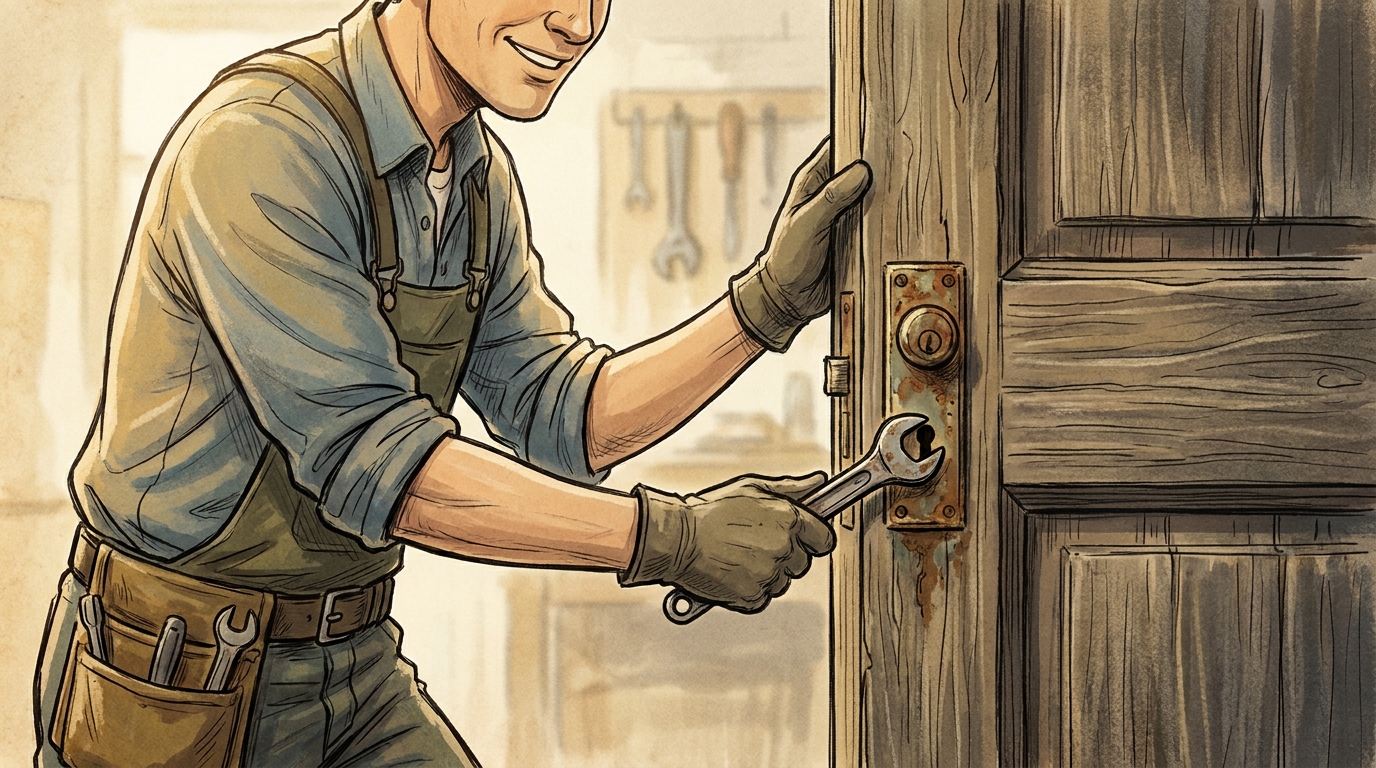
Don't wait for a lock failure to leave you stranded outside your own home at midnight. Recognizing these warning signs early allows you to schedule a professional replacement on your own terms.
Physical Wear and Visible Damage to the Lock Hardware
When you look closely at your front door lock, what do you see? Many homeowners in New Rochelle and Mount Vernon overlook the gradual degradation of their brass or steel locks. Over years of exposure to rain, snow, and humid New York summers, metal components naturally degrade. Rust and tarnish are not just cosmetic issues; they are clear indicators of structural failure. When rust builds up inside the lock cylinder, it creates friction. This friction grinds down the delicate pins and springs that match your key. Eventually, the key will fail to turn, or worse, it will snap off inside the plug. Another major physical sign is a loose or spinning lock cylinder. If you insert your key and the entire lock housing shifts or jiggles, the internal mounting screws have either stripped or broken. This makes the door incredibly easy for an intruder to bypass with a simple screwdriver or pry bar. You might also notice that the latch bolt does not align properly with the strike plate on the door frame. If you have to lift, pull, or push the door just to get the lock to engage, your door has sagged, or the lock itself is failing. This constant misalignment puts immense pressure on the locking mechanism, accelerating internal wear. If you notice any of these physical issues, do not wait. A worn-out lock is a vulnerable lock. Replacing it now prevents an expensive emergency service call later. Our team regularly helps neighbors throughout Scarsdale upgrade their worn hardware to heavy-duty, grade-standard locks that stand up to both weather and forced entry attempts.
- Deep rust or tarnish spreading across the keyway and cylinder face.
- A loose, wobbling, or spinning lock cylinder when the key is inserted.
- Severe scratches and metal shavings falling out of the keyhole.
Operational Struggles and Key Malfunctions
A lock should operate smoothly without requiring force, tricks, or special techniques. If you find yourself jiggling the key, pulling it out slightly, or turning it with extra force just to unlock your door in White Plains, your lock is sending you a clear warning. These operational struggles usually point to worn-out internal pins or a warped cylinder. Over time, the tiny brass pins inside the lock wear down from thousands of key insertions. As they lose their original shape, they no longer align perfectly with the shear line when you insert your key. This problem often worsens during seasonal temperature shifts. In Westchester County, freezing winters cause wooden doors and frames to contract, while humid summers cause them to expand. A healthy lock can handle these minor shifts, but a failing lock will seize up entirely. If you ignore a sticking lock, you are playing Russian roulette with a lockout. One day, the key simply will not turn, or the internal spring will snap, leaving you stuck outside in the cold. Furthermore, if you have recently had duplicate keys made and none of them seem to work smoothly, the issue might not be the keys. It is often the lock cylinder itself that has worn past the point of accepting standard key cuts. Upgrading to a modern, high-security lock cylinder resolves these operational headaches and restores effortless entry to your home.
If you have to perform a special trick or wiggle your key just right to open your door, your lock has already failed. Replace it before you get locked out.
The Danger of Key Duplication Wear
Every time you copy a key, minor tolerances are lost. If you are using a copy of a copy of a copy, the key cuts become rounded and imprecise. When used in an older lock, this accelerates the wear on the internal brass pins. Eventually, the lock's internal chambers become so worn that even an original, factory-cut key will no longer operate the mechanism. Replacing the lock cylinder entirely is the only reliable fix to ensure smooth, secure operation for years to come.
Life Transitions and Security Upgrades
Sometimes, the need to replace your door locks has nothing to do with mechanical failure and everything to do with security control. If you have recently purchased a new home in the Bronx or Scarsdale, replacing or rekeying the locks should be your absolute first priority. You have no way of knowing how many copies of the existing keys are floating around. Previous owners, real estate agents, contractors, cleaning services, and neighbors might all hold keys to your front door. Replacing the locks gives you a clean slate and absolute control over who has access to your private space. Another critical trigger for lock replacement is a recent break-in or an increase in neighborhood crime. If a burglar attempted to force your lock, even if they failed, the internal mechanism is likely compromised. Modern burglars often use techniques like lock bumping or picking, which can damage internal pins without leaving obvious external marks. Upgrading to high-security locks with anti-pick, anti-drill, and anti-bump features is a smart proactive step. Additionally, if you have recently experienced a change in your household—such as a roommate moving out, a divorce, or ending a contract with a domestic service provider—changing the locks ensures your ongoing safety. It is always better to be proactive about your home security than to regret a security gap later.
- Audit all entry points of your new home immediately upon closing the sale.
- Choose high-security locks that feature restricted keyways to prevent unauthorized duplication.
- Have a professional locksmith install the new hardware to ensure perfect alignment and maximum strength.
Alpha Locks & Safe Pro Tip
Pro Tip: When replacing your locks, always check the grade. Look for ANSI Grade 1 or Grade 2 certification to ensure your new hardware can resist heavy physical force.
Need a locksmith right now?
Our licensed team is on call 24/7 for homes, businesses, and vehicles across Westchester County.
Frequently Asked Questions
Can I just rekey my locks instead of replacing them?
Yes, rekeying is an excellent, cost-effective option if your lock hardware is still in good physical condition. Rekeying changes the internal pins so old keys no longer work, which is perfect for new home buyers. However, if the lock is rusted, loose, or physically damaged, a full replacement is necessary.
How long do standard residential door locks typically last?
On average, high-quality residential locks last about seven to ten years. However, this lifespan can decrease significantly depending on heavy daily use, exposure to harsh coastal or winter weather, and lack of regular maintenance like lubrication.
What is the difference between Grade 1 and Grade 2 locks?
ANSI Grade 1 is the highest level of residential and commercial security, offering maximum resistance against hammer blows, prying, and drilling. Grade 2 is standard for high-quality residential use, providing excellent security for typical home entryways.