
Blog
Replace Traditional Locks with Smart Locks Safely
If you are thinking about upgrading your home security in Westchester County, you are likely looking at modern technology. Many homeowners in White Plains, Yonkers, and Scarsdale ask us if they should replace traditional locks with smart locks to make their daily routines easier. It is a big decision that involves more than just buying a shiny new gadget from a big-box store. Traditional deadbolts have kept our local homes safe for generations, but keyless entry offers undeniable convenience when you are carrying groceries or letting in a dog walker. However, making the switch requires a clear understanding of how these systems compare in terms of physical strength, weather resistance, and long-term reliability. As your local locksmiths based in Elmsford, we want to help you weigh the real-world pros and cons so you can make an informed choice for your family's safety.
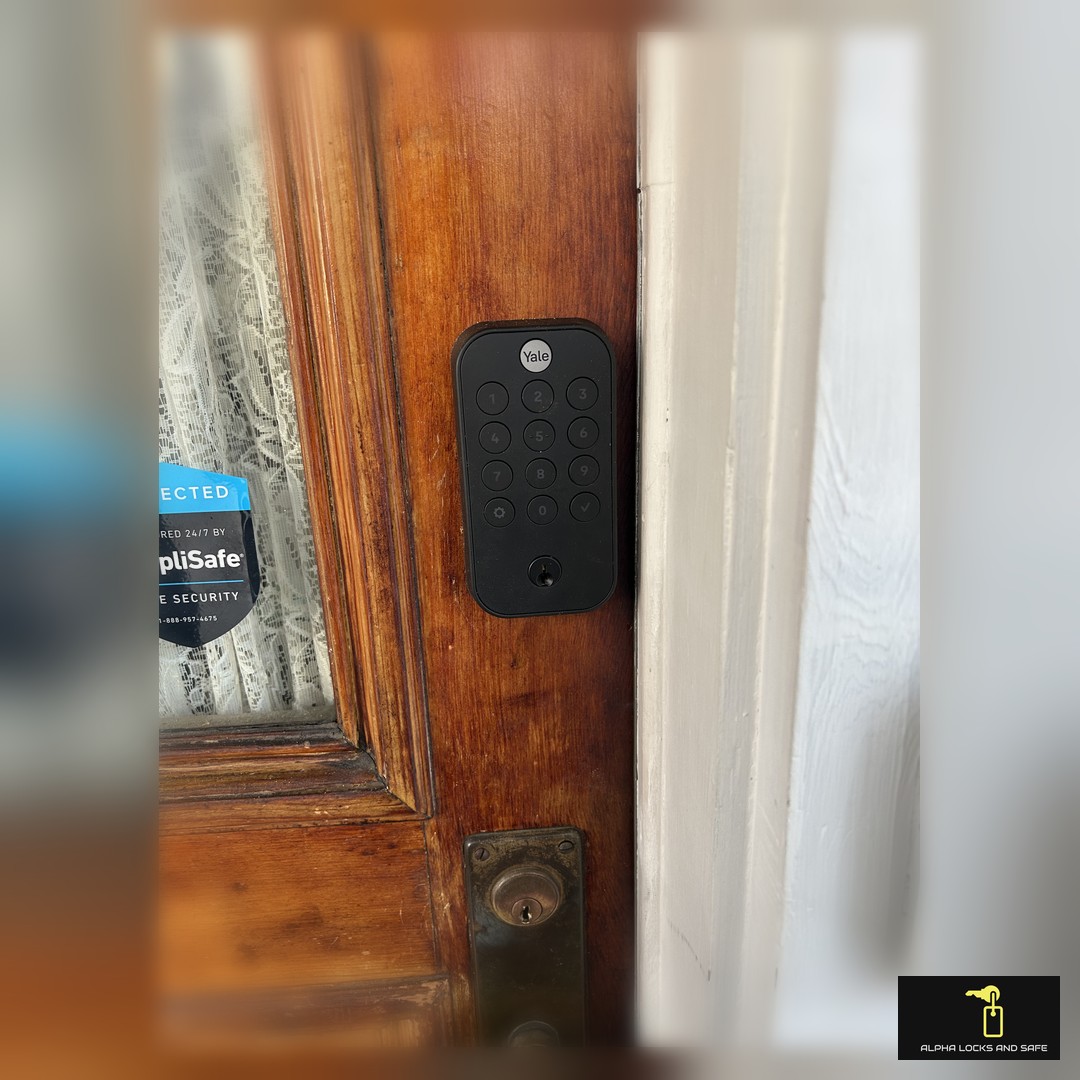
Before you unscrew your old brass deadbolt, you need to know how digital upgrades stack up against heavy-duty mechanical locks in the real world. Here is what every Westchester homeowner should consider before making the switch.
Traditional Deadbolts vs. Smart Locks: The Core Differences
To understand whether you should replace traditional locks with smart locks, you must first look at how they operate under pressure. A traditional deadbolt is a marvel of simple mechanical engineering. It relies on physical pins, springs, and a solid metal bolt that slides deep into your door frame. There are no batteries to die, no software updates to install, and no Wi-Fi networks to configure. When you turn a physical key in a high-quality deadbolt, you get immediate tactile feedback. You know the door is locked because you felt the mechanism click into place. For decades, brands like Schlage and Baldwin have secured homes across Mount Vernon and New Rochelle with this exact technology. It is highly reliable, incredibly durable, and virtually immune to extreme weather conditions. On the other side of the comparison, smart locks introduce an electronic element to this mechanical foundation. Most smart locks still use a physical bolt, but they replace the manual key cylinder—or supplement it—with an electric motor. This motor retracts or extends the bolt when it receives an authorized signal. This signal can come from a numeric keypad, a fingerprint scanner, a smartphone app, or even a proximity sensor that detects your presence. The primary benefit here is control. You can create unique, temporary entry codes for house guests, contractors, or cleaning services, and delete those codes when they are no longer needed. You can also check your lock status from an office in White Plains or while vacationing far from home. However, this convenience introduces new vulnerabilities. Electronic components are sensitive to the freezing winters and humid summers we experience in Westchester County. Moisture can seep into cheap keypads, causing them to fail. Batteries must be replaced every six to twelve months, and if you ignore the low-battery warnings, you could find yourself locked out. Additionally, while a traditional lock can only be picked by someone physically standing at your door, a smart lock connected to your home network could theoretically be vulnerable to digital hacking if the software is not kept up to date. When comparing the two, you are essentially trading the absolute, low-maintenance reliability of mechanical brass for the flexible, high-tech convenience of digital access.
- Traditional locks require zero power, meaning they work perfectly during local power outages or winter storms.
- Smart locks provide detailed activity logs, showing you exactly who entered your home and at what time.
- Mechanical keys can be physically copied at any hardware store, which poses a security risk if a key is lost or borrowed.
The Installation Reality: Why Door Alignment Matters
Many homeowners buy a smart lock online, expecting a quick ten-minute DIY project. In reality, installing these devices in older Westchester homes can be surprisingly tricky. The secret to a secure lock is not just the hardware itself, but how well it aligns with the door frame. Over time, homes in historic neighborhoods like Scarsdale or Yonkers settle. Doors sag on their hinges, and wooden frames expand and contract with the changing seasons. With a traditional lock, you might not even notice a slight misalignment. You simply pull or push the door slightly while turning the key to force the bolt into the strike plate. You adapt to the door's quirks without thinking about it. An electronic smart lock cannot adapt. The small electric motor inside the unit has a limited amount of torque. If the bolt encounters even a fraction of an inch of resistance from a misaligned strike plate, the motor will jam. When this happens, the lock will usually beep an error code and fail to secure the door. If you are away from home and try to lock up remotely, you might think your house is secure when it is actually open. To successfully replace traditional locks with smart locks, your door must hang perfectly straight, and the bolt must slide into the frame smoothly without any rubbing or forcing. If you live in an older home with thick plaster walls and heavy wooden doors, these adjustments require specialized tools and patience to avoid cracking the wood or stripping the screws.
A smart lock is only as secure as the door frame it is installed in. If the bolt rubs against the strike plate, the motor will eventually burn out or fail to lock completely.
Choosing the Right Smart Lock for Your Home
When selecting a smart lock, you generally have two choices: a full deadbolt replacement or a retrofit smart lock. A full replacement swaps out your entire existing lock, including the exterior keypad and the interior motor. This is ideal if your old lock is worn out or if you want a clean, modern aesthetic. A retrofit lock, on the other hand, only replaces the thumbturn on the inside of your door. It keeps your existing exterior key cylinder and deadbolt hardware intact. This is an excellent option for renters who are not allowed to change their keys, or for homeowners who love the look of their high-end traditional brass hardware but still want the convenience of smartphone control. Whichever style you choose, look for models with physical key backups so you are never left stranded if the electronics fail.
Making the Switch: A Step-by-Step Guide to Upgrading
If you have weighed the options and decided to replace traditional locks with smart locks, the upgrade process must be handled carefully to ensure your home remains secure. The transition involves more than just swapping hardware; it requires setting up a secure digital environment. Many smart locks connect to your home Wi-Fi network or use Bluetooth to communicate with your phone. If your home network is unsecured, your physical security could be compromised. Therefore, the very first step in any smart lock installation should be securing your home router with a strong, unique password and enabling encryption. Once your network is secure, you can begin the physical installation. Start by removing your old deadbolt completely, taking care not to damage the paint or wood around the bore hole. Clean out any wood shavings or debris from inside the door cutout. When mounting the new smart lock, pay close attention to the alignment of the tailpiece—the flat metal bar that connects the exterior keypad to the interior motor. If this bar is twisted or inserted at an angle, the lock will bind. After the hardware is mounted, test the lock manually with the door open, then with the door closed. The bolt should slide in and out of the door frame effortlessly. Only after confirming perfect mechanical operation should you insert the batteries and begin the software setup, including programming your master codes and connecting the device to your smartphone. If you run into trouble during this process, or if your door frame is too warped to align properly, do not hesitate to reach out. You can call Alpha Lock and Safe at +1 (914) 875-1894 for 24-hour locksmith service in Westchester County, and we will make sure your new system is installed safely and securely.
- Check your door alignment and adjust the hinges or strike plate so the door closes tightly without shaking.
- Secure your home Wi-Fi network with a complex password and update your router's firmware before connecting any smart devices.
- Install the exterior keypad and interior mounting plate, ensuring the spindle and wires pass through the bore hole without being pinched.
Alpha Locks & Safe Pro Tip
Pro Tip: Always keep a physical backup key hidden securely or shared with a trusted neighbor in Westchester. Electronic locks are incredibly convenient, but a dead battery or a frozen keypad should never keep you out of your own home.
Need a locksmith right now?
Our licensed team is on call 24/7 for homes, businesses, and vehicles across Westchester County.
Frequently Asked Questions
Can smart locks be hacked easily?
While any device connected to the internet has some risk, reputable smart locks use advanced encryption standards similar to online banking. You can significantly reduce this risk by using strong, unique passwords for your lock accounts, keeping the manufacturer's mobile app updated, and securing your home Wi-Fi network.
What happens to a smart lock if the power goes out?
Most smart locks run on internal AA or AAA batteries, so they will continue to function normally during a local power outage. If your lock relies on a Wi-Fi bridge for remote access, you won't be able to control it from your phone while the power is out, but you can still use the physical keypad or a backup key at the door.
Do I need to replace my entire door to install a smart lock?
No, you rarely need to replace your entire door. Most smart locks are designed to fit standard prep holes found on modern residential doors. However, if your door is very old, custom-made, or misaligned, you may need to adjust the frame or have a professional locksmith prep the door to ensure a proper fit.