
Blog
How a Locksmith Opens a Locked Safe (and When to Call One)
A safe is supposed to keep your valuables secure, so it is genuinely stressful when you are the one locked out of it, whether the combination no longer works, the battery on a digital keypad has died, or a key has been lost. The good news is that a professional locksmith can almost always open a locked safe, often without damaging it, and get you back to your documents, cash or valuables. This guide explains how safe opening actually works, when it is time to call a professional, and how to prepare so the job goes smoothly.
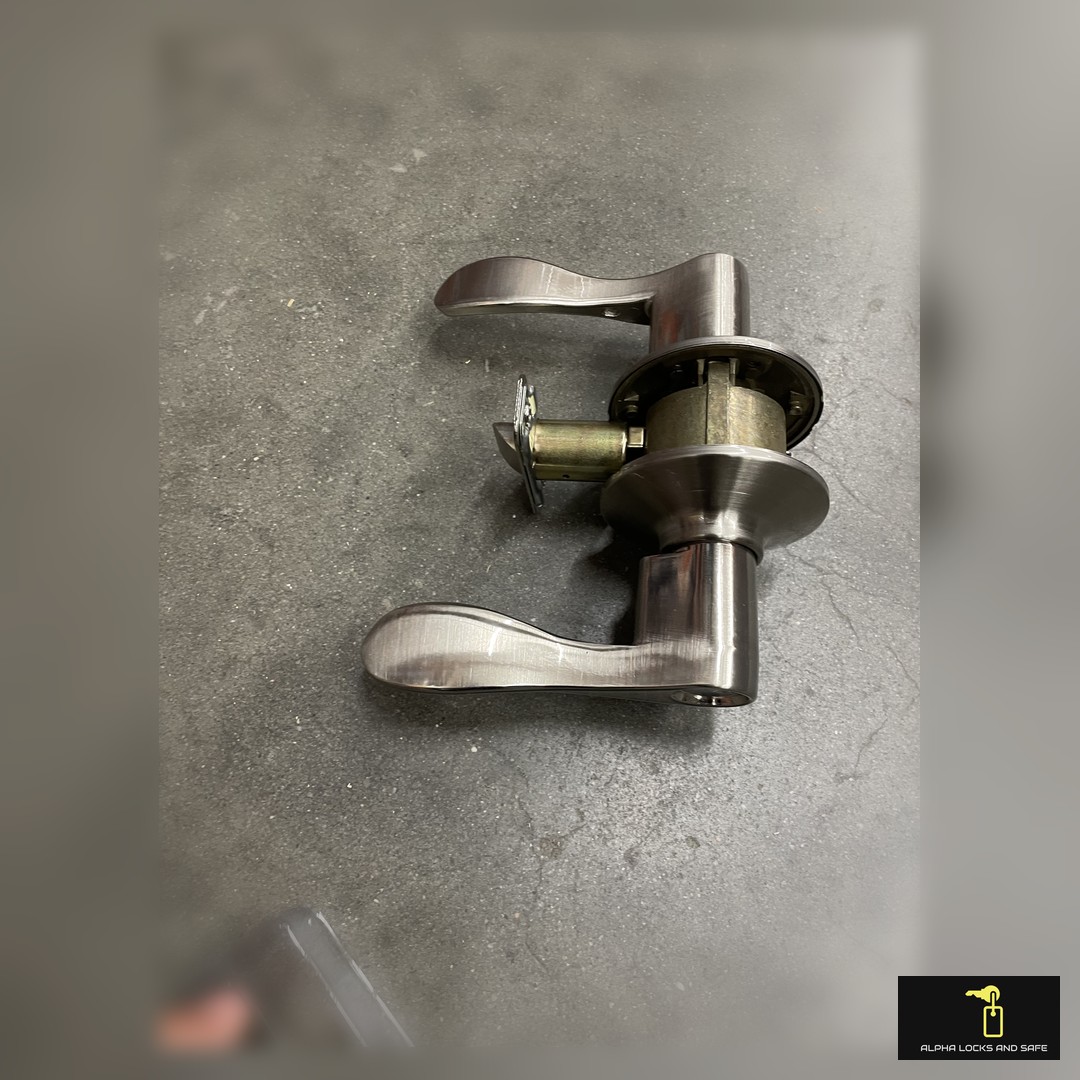
What really happens when a locksmith opens a locked safe, and how to know when it is time to call one.
When You Should Call a Locksmith for a Safe
It is worth calling a professional as soon as a safe stops opening reliably, rather than forcing it. Common situations include a forgotten or non-working combination, a dead battery or failed electronic keypad, a lost or broken key on a keyed safe, or a mechanism that has jammed with age. The temptation is to pry, drill blindly, or try random combinations, but that usually causes damage that makes the eventual professional opening harder and more expensive, and can ruin the safe entirely. A trained locksmith has the tools and knowledge to diagnose the specific lock type and choose the least invasive method, which protects both the contents and, in many cases, the safe itself so you can keep using it afterward.
- A forgotten combination or a combination that no longer works.
- A dead battery or a failed digital keypad on an electronic safe.
- A lost or broken key on a keyed safe.
How Professional Safe Opening Works
Contrary to the movies, opening a safe is rarely about listening for clicks. A professional first identifies the make, model and lock type, because the right approach depends entirely on how the safe is built. Where possible, the locksmith uses non-destructive methods, such as manipulation of the lock, recovering or resetting a code on an electronic model, or picking a keyed lock, all of which leave the safe usable afterward. When a safe is high-security or the mechanism has failed, controlled drilling at a precise point is sometimes the only option, followed by repairing or replacing the lock so the safe can be used again. The goal is always to get you in with the least possible damage, which is exactly why this is a job for an experienced locksmith rather than trial and error.
Will Opening My Safe Destroy It?
In many cases, no. A skilled locksmith prioritizes non-destructive techniques that leave your safe fully functional. Even when drilling is required, a professional drills at a precise, repairable point and can replace the lock afterward so the safe continues to protect your valuables. What actually destroys safes is forced, amateur entry, which is why calling a professional early usually saves both the contents and the safe.
How to Prepare Before the Locksmith Arrives
A little preparation makes the visit faster and often less expensive. If you can, find the make and model of the safe, which is usually printed on the door, the manual, or the original receipt, and have it ready to share. Note the lock type, whether it is a dial combination, an electronic keypad, or a key, and describe exactly what is happening, for example the keypad is dark or the dial spins freely. Be ready to show proof that you own the safe or the property, since a reputable locksmith will confirm ownership before opening it, which protects you as much as anyone. With those details in hand, a local locksmith can bring the right tools on the first visit and open your safe efficiently.
- Locate the safe make and model, usually on the door, manual or receipt.
- Identify the lock type: dial combination, electronic keypad, or key.
- Have proof of ownership ready, since a reputable locksmith will confirm it before opening.
Alpha Locks & Safe Pro Tip
Tip: Never try to pry or blindly drill a stuck safe yourself. Amateur entry is what actually destroys safes, and it makes the professional opening harder and more expensive.
Need a locksmith right now?
Our licensed team is on call 24/7 for homes, businesses, and vehicles across Westchester County.
Frequently Asked Questions
Can a locksmith open a safe without destroying it?
Usually, yes. A professional locksmith prioritizes non-destructive methods such as manipulation, code recovery or lock picking, which leave the safe fully usable. Even when drilling is needed, it is done at a precise, repairable point and the lock can be replaced afterward.
What should I do if my digital safe keypad is dead?
First try fresh batteries, since many electronic safes simply need a battery change. If the keypad still will not respond or you have lost the code, call a locksmith rather than forcing the door, which can damage the mechanism and make the eventual opening harder.
Will you check that I own the safe before opening it?
Yes. A reputable locksmith confirms that you own the safe or the property before opening it. This protects you and is standard practice, so have proof of ownership ready for the visit.