
Blog
Home Security Tips for Historic Houses in White Plains
Owning a historic home in White Plains, New York, is like owning a piece of living history. From the beautiful Victorian structures near Highlands to the classic colonial revivals scattered across Westchester County, these properties have character that modern builds simply cannot replicate. However, securing an older property presents a unique set of challenges. Traditional locks might look beautiful, but they often fail to meet modern safety standards, leaving your family and belongings vulnerable. Balancing the preservation of historic architectural details with modern safety needs requires a careful, specialized approach. You do not want to drill massive holes into a hand-carved solid oak door from 1910, yet you cannot rely on a century-old skeleton key lock to keep burglars out. This guide provides practical home security tips for historic houses to help you protect your investment, maintain its historic charm, and gain peace of mind without compromising on the classic aesthetics of your beautiful Westchester property.
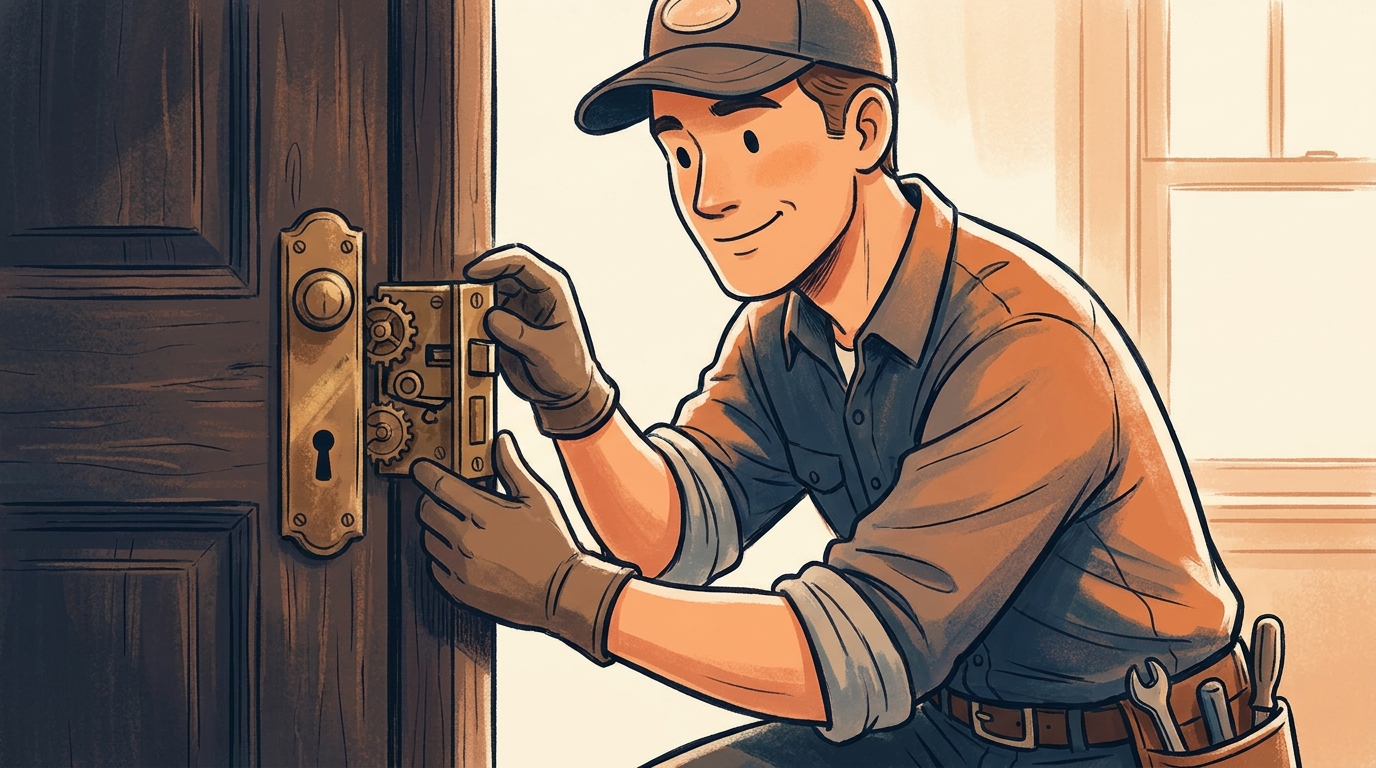
Securing a historic home does not mean you have to sacrifice its vintage charm for modern safety. With the right techniques and hardware, you can keep your classic White Plains property safe while honoring its architectural heritage.
Preserving Vintage Doors While Upgrading Deadbolts
Many historic homes in White Plains feature original mortise locks. These are large, heavy iron lockboxes set deep inside a pocket cut into the edge of the door. While these locks feel incredibly solid and heavy, their internal mechanisms wear down over decades. Springs snap, levers slip, and the brass keyways become loose. Worse, old skeleton keys are surprisingly easy to bypass or replicate. But you cannot simply throw away a gorgeous, hundred-year-old solid wood door just to install a modern deadbolt. If you drill a standard two-and-three-eighths-inch hole through a historic door, you risk splitting the aged, dry wood, ruining its structural integrity and historical value. To solve this, you have a couple of highly effective options that preserve the door's face. First, you can have a professional locksmith rebuild the interior of the original mortise lock. We can clean the old brass castings, replace worn-out leaf springs, and even rekey the original cylinder so it works reliably with a new, secure key. However, if you want modern deadbolt security, we often recommend installing a high-security rim lock or a modern mortise lock upgrade. A rim lock mounts on the inside surface of the door rather than inside the wood itself. This requires only a small hole for the key cylinder to pass through, leaving the rest of your historic door completely intact. Another excellent method is using wrap-around reinforcement plates. If a previous owner already made a mess of the door edge, a custom brass or bronze wrap-around plate can cover the old damage, reinforce the wood against kick-ins, and provide a solid mounting point for a high-security deadbolt. This approach blends beautifully with vintage hardware while offering the physical resistance of a modern security system. When dealing with these delicate materials, patience is key. Never rush a lock installation on a door that cannot be replaced.
- Rebuild original mortise locks with fresh internal springs and custom-cut keys.
- Install surface-mounted rim locks to avoid drilling large holes in historic wood.
- Use heavy-duty brass or bronze wrap-around plates to reinforce weakened door edges.
Securing Historic Windows Without Losing Historic Charm
Windows are the second most common entry point for intruders, and historic homes in Westchester are famous for their beautiful, large, double-hung wood windows. Unfortunately, the original crescent sash locks found on these windows are notoriously weak. Over time, the wood of the window frames shrinks and warps due to seasonal humidity changes in New York. This warping creates a gap between the upper and lower sashes, meaning the crescent lock no longer pulls them tightly together. A burglar can easily insert a thin tool or putty knife between the sashes from the outside and flick the lock open in seconds. To secure these windows without replacing the original wavy glass or hand-crafted wood frames, you can implement several simple, non-destructive upgrades. One of the best methods is 'pinning' the window. This involves drilling a small, inconspicuous hole at an angle where the upper and lower sashes meet, then inserting a sturdy steel pin or a heavy-duty brass screw. This physically prevents the window from being opened from the outside, even if the main sash lock is bypassed. When you want to open the window for fresh air, you simply pull the pin out from the inside. Another great option is installing key-operated sash locks. These replace your existing crescent locks using the same screw holes but require a small key to open. This prevents an intruder from simply breaking a single pane of glass, reaching inside, and flipping the latch. For homeowners in historic White Plains neighborhoods who want to keep their original single-pane glass, we also recommend applying a clear, heavy-duty security window film. This film is virtually invisible but holds the glass together if someone tries to smash it, buying you valuable time and making a quick break-in nearly impossible.
A historic window is a work of art, but a loose sash lock is an open invitation. Pinning your sashes is a simple, invisible way to stop intruders in their tracks.
The Vulnerability of Vintage Basement Windows
Many historic homes in the Bronx and Westchester have ground-level basement windows with old, fragile wood frames and thin glass. These are often hidden behind bushes, making them prime targets for burglars. To secure these areas, avoid cheap plastic locks. Instead, install heavy-duty interior steel window bars or decorative iron grilles. Ensure these grilles feature a quick-release mechanism on the inside so your family can easily escape in the event of a fire, keeping your home both secure and code-compliant.
Integrating Modern Smart Security with Classic Architecture
Many historic homeowners assume they have to choose between modern smart home convenience and historic preservation. Fortunately, you can have both. You do not need to mount a bright white, plastic smart lock on a hand-forged iron door latch. There are several clever ways to integrate modern security technology into your historic White Plains home without altering its exterior appearance. For instance, you can install smart deadbolts that are 'retrofit' models. These systems replace only the interior thumbturn of your existing deadbolt while keeping your original, vintage brass keyway on the outside of the door. From the street, your home looks completely unchanged, preserving its historic curb appeal. On the inside, however, you gain the ability to lock and unlock your door using your smartphone, monitor access logs, and issue temporary digital keys to house guests or contractors. When it comes to security cameras and motion sensors, placement is everything. Instead of drilling directly into historic brick, stone, or decorative wood siding, mount your cameras on nearby trees, detached garages, or under the eaves of the roof where the wiring can be easily hidden. Wireless security systems are a lifesaver for historic properties. They eliminate the need to run miles of new electrical wire through plaster walls, which can be incredibly destructive and expensive to repair. By choosing wireless, battery-powered sensors for your doors and windows, you can protect every entry point without disturbing a single piece of historic lath and plaster. This keeps your home safe while respecting the craftsmanship of the original builders. Additionally, consider smart lighting that matches the era of your home. You can install smart bulbs inside vintage brass lanterns on your front porch. These bulbs can be programmed to turn on automatically at dusk or when motion is detected, giving the illusion that someone is always home. This simple deterrent works wonders in quiet residential neighborhoods in Scarsdale and White Plains. By combining hidden wireless sensors with smart lighting, you create a robust security perimeter that respects the architectural integrity of your historic property.
- Choose retrofit smart locks that preserve the exterior keyway.
- Opt for wireless sensors to protect plaster walls from invasive wiring.
- Mount cameras on non-historic surfaces like eaves or trees to protect masonry.
Alpha Locks & Safe Pro Tip
Pro Tip: Always save any original lock hardware, keys, or decorative plates that you remove during an upgrade. Storing them in a labeled box preserves the home's historical value for future owners.
Need a locksmith right now?
Our licensed team is on call 24/7 for homes, businesses, and vehicles across Westchester County.
Frequently Asked Questions
Can I install a modern smart lock on a historic solid wood door?
Yes, but you should avoid cutting new, large holes in vintage wood. Instead, use a retrofit smart lock that replaces only the interior thumbturn, keeping your original exterior keyway and brass plate completely intact.
How do I secure old double-hung windows without replacing them?
You can pin the windows by drilling a small hole where the sashes meet and inserting a steel pin. Alternatively, install key-operated sash locks or apply clear security window film to prevent break-ins through the glass.
Are original mortise locks safe enough for modern security needs?
While heavy and durable, original mortise locks often have worn internal parts and simple keyways that are easy to pick. We recommend having a professional locksmith service and rekey the internal cylinder, or adding a secondary surface-mounted rim lock for extra security.